Scalp stretching for hair health: Guide to better hair
"A healthy scalp provides the foundation for resilient hair, making gentle physical stimulation a vital part of a daily routine."
Scalp stretching for hair health involves gentle manual manipulation to improve circulation and hair texture. This guide explores how consistent massage and mechanical stimulation can support hair density and thickness.
You will learn about the timing of results, effective techniques, and the limitations of these methods for specific hair loss conditions.
How does scalp stretching for hair health work?
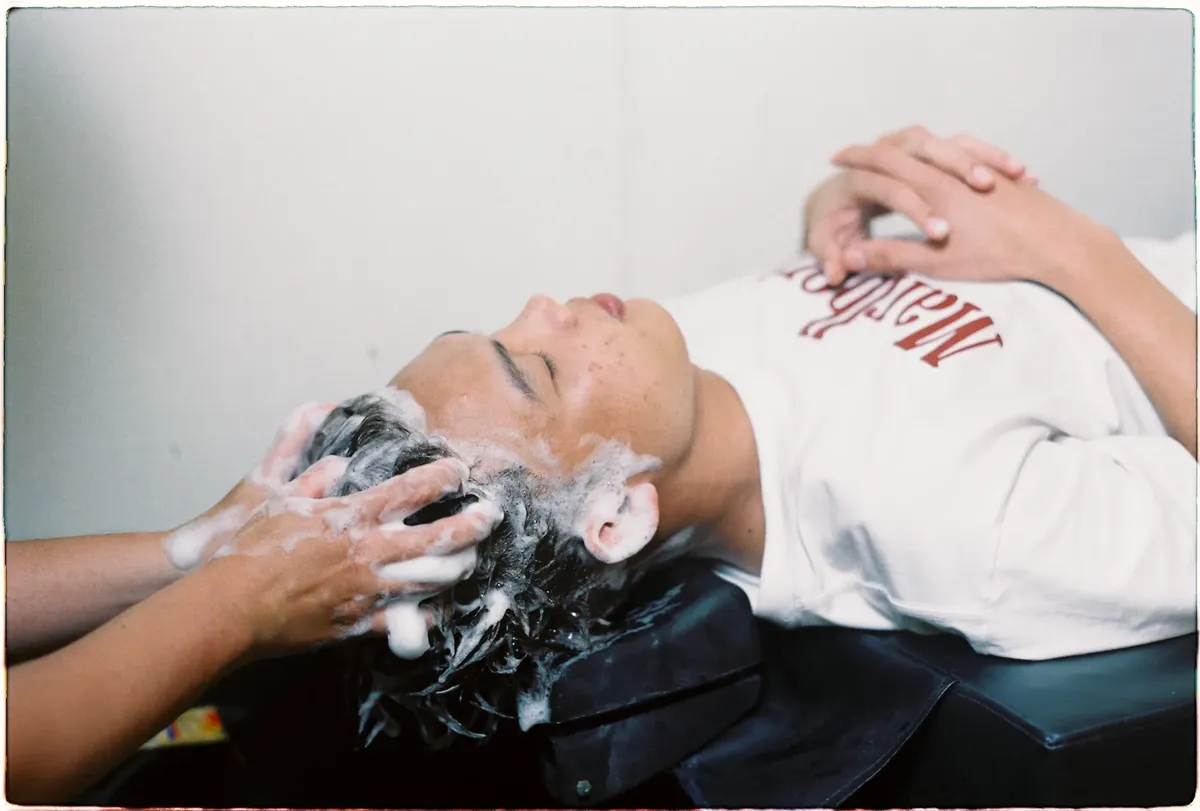
At dawn, I press my fingertips into my scalp and feel the warm rush of blood as I pull the skin gently.
A person sits quietly in a chair, placing their fingertips against the scalp to begin a gentle circular motion. This physical engagement aims to stimulate the hair follicles through manual tension and blood flow.
The goal of scalp stretching for hair health is to address hair shaft thickness and density through mechanical stimulation. According to Eplasty (2016), standardized scalp massage resulted in increased hair thickness 24 weeks after initiation of massage (0.085 ± 0.003 mm vs 0.092 ± 0.001 mm).
This indicates that consistent tension may influence the physical properties of the hair over several months.
Regularly applying these movements can help maintain the scalp environment. It is important to note that while mechanical stimulation is beneficial, it may not address hair loss caused by systemic issues like chemotherapy or hormonal shifts.
Scalp stretching involves manual manipulation of the skin to relieve tension and improve flexibility. This process helps loosen the connective tissue around hair follicles, which can promote a healthier environment for hair growth.
How can I perform the best scalp stretches? A person stands before a mirror, using their palms to apply light pressure to the temples and crown. They move their hands in small, controlled circles to ensure the skin moves over the skull.
To improve hair flow with scalp stretch, follow these three steps:
- Apply light pressure using the pads of your fingers at the hairline. 2. Move the scalp skin in circular motions without sliding the fingers across the hair. 3. Repeat the motion across different sections of the scalp, including the crown and temples.
Check that the skin moves easily under your fingers to ensure effective stimulation. I found that focusing on the tension at the temples helped me feel the movement more clearly. These techniques aim to provide a gentle scalp stretch routine that remains comfortable for daily use.
- Use your fingertips to apply firm, circular pressure across the entire scalp.
- Gently pull the skin in small sections to create light tension.
- Incorporate slow, rhythmic movements to ensure even coverage.
Will these methods boost my hair's circulation? A person leans forward slightly, using their hands to gently pull the skin at the nape of the neck. The sensation of movement helps distribute the tension across the entire scalp.
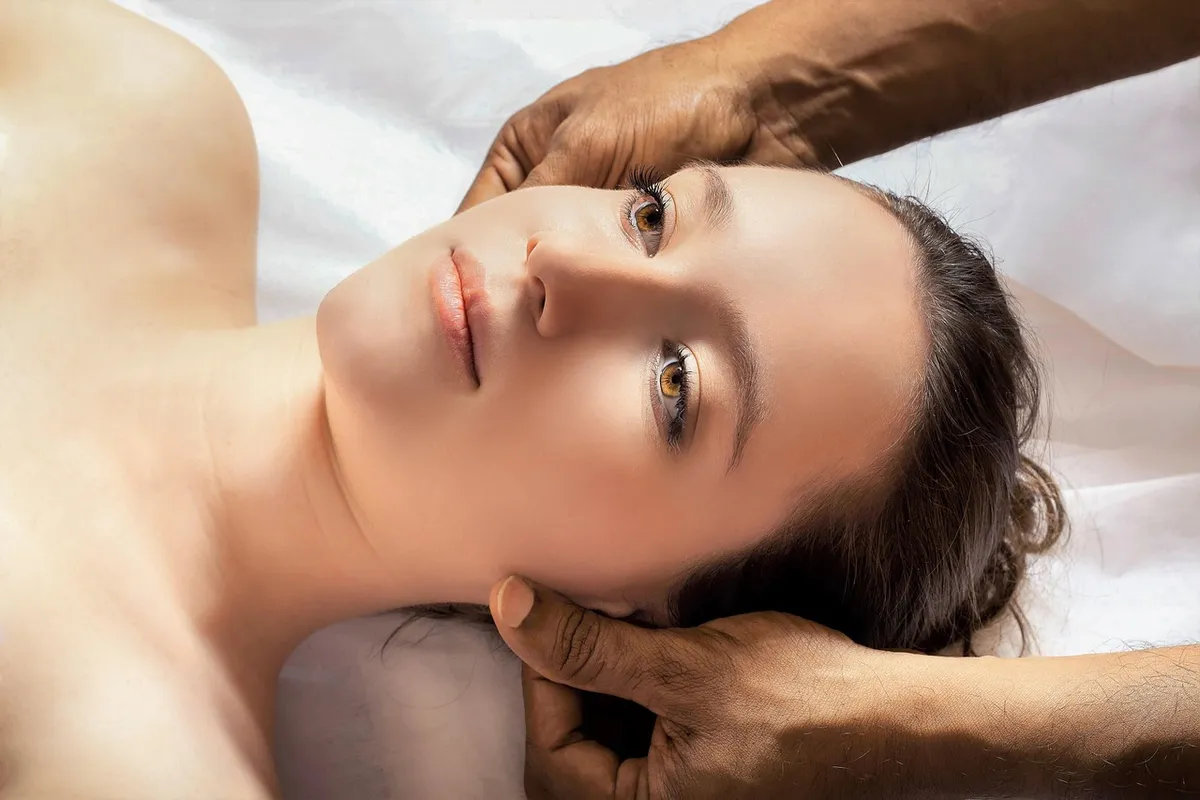
The primary objective is to boost hair blood circulation by loosening the scalp tissue. By performing these movements, you work to prevent the scalp from becoming too tight or immobile. This routine is often part of a larger effort to improve hair growth through better scalp health.
Effective daily scalp care tips suggest that these movements should be performed with enough pressure to move the skin, but not enough to cause pain. This consistent approach is designed to support the hair follicles over a long-term period.
Manual massage and stretching techniques can increase localized blood flow to the scalp. Enhanced circulation helps deliver essential nutrients and oxygen to the hair follicles.
How do you manage DIY scalp health care for density?
A person sits at a vanity, carefully applying the movements to the thinning areas around the hairline. They maintain a steady rhythm to ensure the stimulation is even and thorough.
Managing DIY scalp health care requires patience, as changes are not immediate. Most studies report improved scalp hair growth (n=8), density (n=4), and hair shaft thickness (n=2) among melatonin users compared with controls, according to the Journal of drugs in dermatology : JDD (2023).
While the focus here is on mechanical movement, understanding how different factors affect growth provides context for these efforts.
It is helpful to track the progress of hair density and thickness over several months. Maintaining a regular schedule ensures that the stimulus remains consistent throughout the hair growth cycle.
Consistency is key to maintaining scalp health at home. Regularly performing gentle stretching and avoiding harsh chemical treatments can help support natural hair density.
What are the best scalp stretch techniques for different hair types?
A person runs their fingers through various sections of hair, adjusting the pressure based on the thickness of the strands. They ensure the movements are gentle enough to avoid pulling hair out.
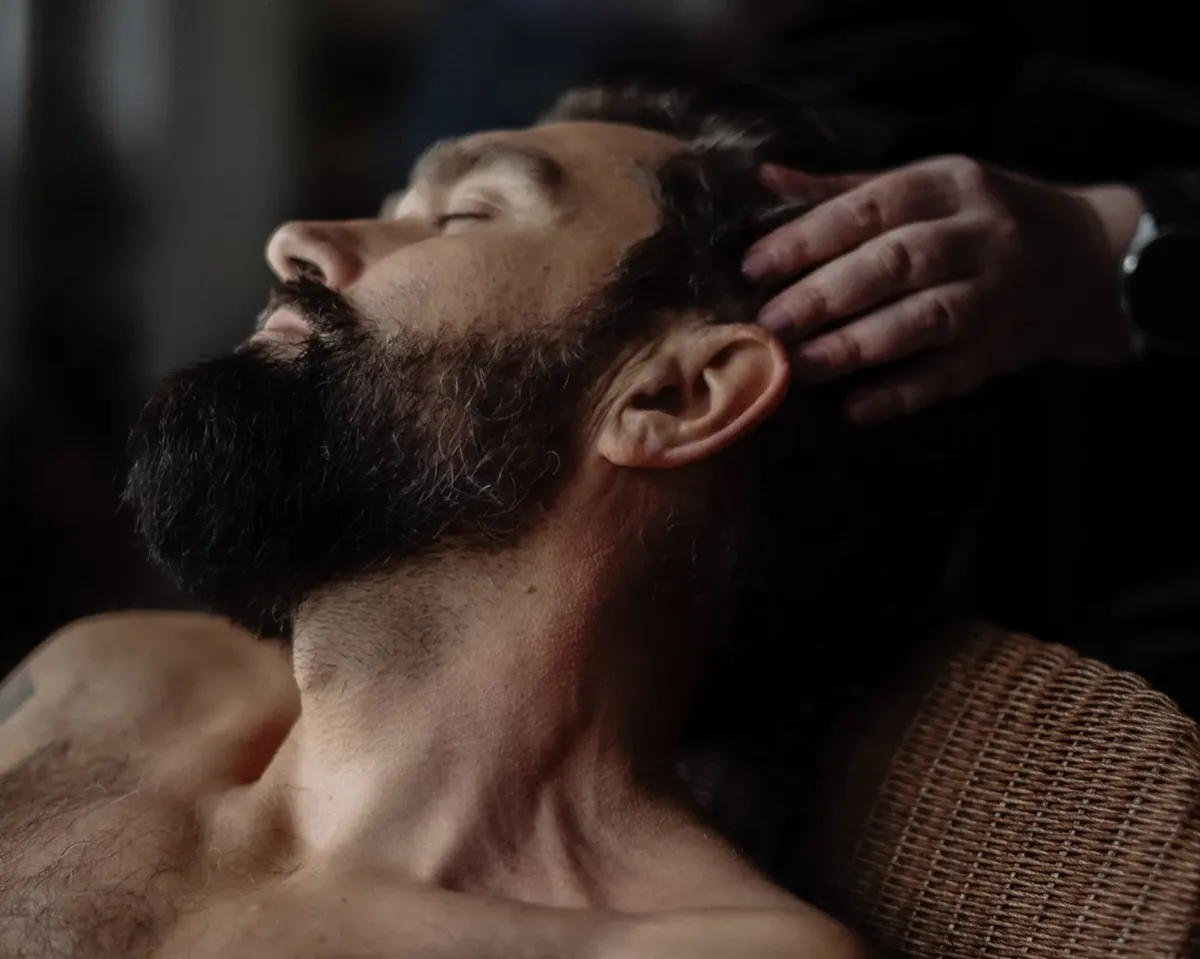
When considering the best scalp stretch techniques, hair texture plays a role in how much tension is applied. For those with fine hair, the goal is to ensure the skin moves without causing breakage. For thicker hair, the focus remains on reaching the scalp through the hair density.
If you are looking for ways to improve hair growth, these techniques serve as a supplementary habit. They are not a replacement for medical treatments but can serve as a foundation for scalp maintenance.
Fine hair benefits from gentle, fingertip-based movements to avoid breakage, while thicker or more textured hair can handle deeper pressure and more vigorous manual manipulation.
This part also covers How to improve hair growth.
Related
- Scalp washing for hair loss: Tips for healthy scalp
- Hair transplant early care: Tips for 2 week recovery period
What are the cautions when performing scalp stretching? Caution is necessary because excessive force during scalp stretching can potentially irritate the healthy scalp. The gentle circular motion described for improving circulation must remain light enough to avoid causing discomfort. If any sharp pain arises during the process, the individual should immediately cease the activity. This caution applies regardless of whether the person is performing the routine at home or under guidance.
Avoid excessive force to prevent irritation or hair loss. If you experience pain, redness, or scalp sensitivity, stop the technique immediately and allow the skin to recover.
When should one adjust the routine for the healthy scalp? One should adjust the routine when the hair type requires a different approach to tension application. For instance, individuals with very fine hair need to prioritize skin movement over deep pressure to prevent breakage. Conversely, those with thicker hair might need to ensure their fingers reach the scalp through the hair density effectively. Monitoring the scalp's response helps determine necessary modifications to the technique.
Consistent application of these gentle movements supports the overall health of the scalp. The routine acts as a supplementary habit, providing a foundation for scalp maintenance.
It is important to remember that this mechanical stimulation does not substitute for medical intervention for serious hair loss conditions.


Comments 0