Hair transplant early care: Tips for 2 week recovery period
"The first two weeks after a hair transplant are the most critical window for ensuring that new grafts successfully integrate into the scalp."
Successful hair transplant early care depends on protecting delicate grafts during the initial healing phase. This guide covers the essential recovery period, how to manage the healing process, and what to expect regarding graft survival and physical recovery.
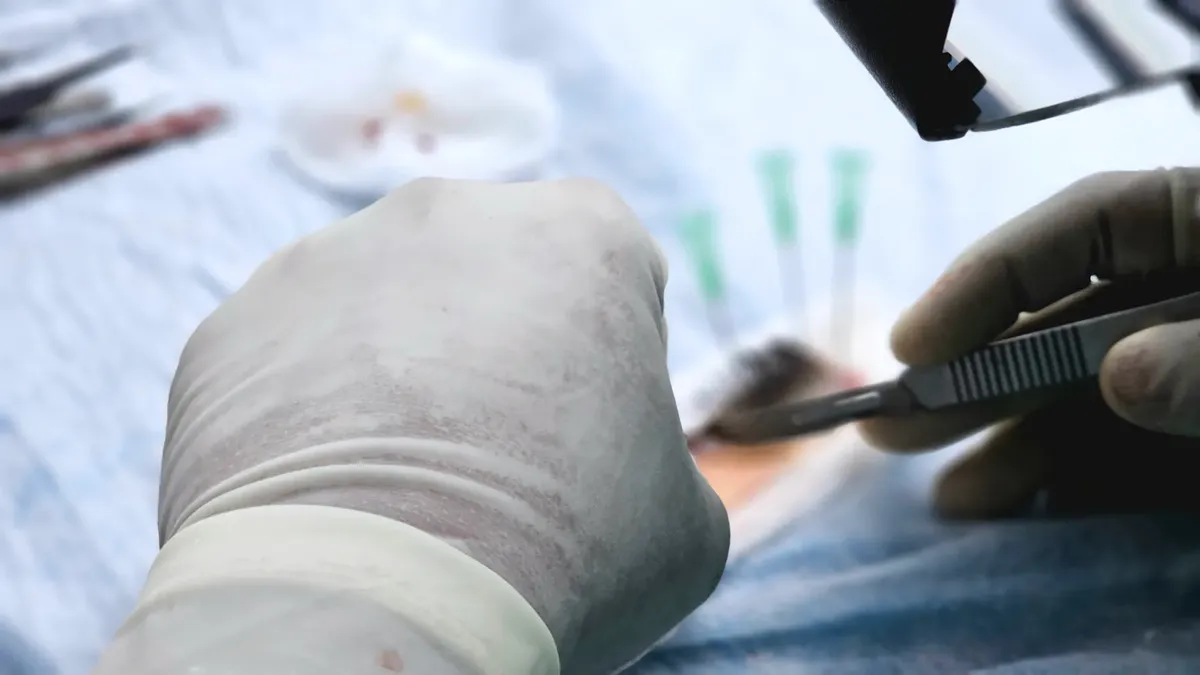
* The primary recovery period often lasts around 2 weeks. * FUE harvesting uses tiny punches between 0.6mm and 1.0mm in diameter. * Suture removal may be necessary depending on the surgical technique used.
Why is the first two weeks so critical for hair transplant early care?
A patient sits quietly in a recovery chair, feeling the slight tension of the scalp after the procedure. Protecting the newly placed follicular units is the main priority during this sensitive time.
The recovery period is around 2 weeks and requires careful attention to prevent graft displacement. Because the micro removal in FUE harvesting uses tiny punches of between 0.6mm and 1.0mm in diameter, the sites are highly vulnerable to external pressure or friction.
Ensuring the grafts remain undisturbed is the cornerstone of successful hair graft survival guide protocols.
- Protect the newly implanted grafts from any physical contact.
- Maintain a clean environment to prevent infection.
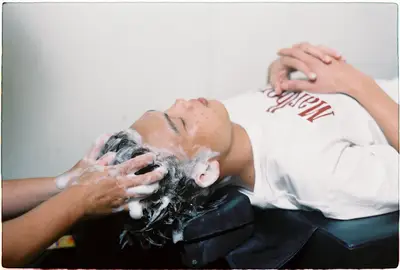
- Follow the specific washing protocol to avoid dislodging follicles.
What does the recovery process look like?
A person looks in the mirror, noticing the small marks left by the surgical tools on the scalp. Understanding the physical changes helps manage expectations during the initial days.
The healing process varies depending on the specific method used by the surgeon. For instance, if the procedure involves stitches or staples, they will require removal by medical personnel, or sub cuticular suturing may be utilized.
In contrast, recovery from Micro Grafting FUE is less than 7 days as no suture removal is required. This difference in technique dictates the intensity of post-transplant care tips.
In this sequence, the second stage is the longest.
How can you manage the healing process at home?
A patient carefully avoids leaning back too far against a pillow to protect the recipient area. Following a structured routine helps maintain the integrity of the new hair.
To manage the initial recovery, follow these steps:
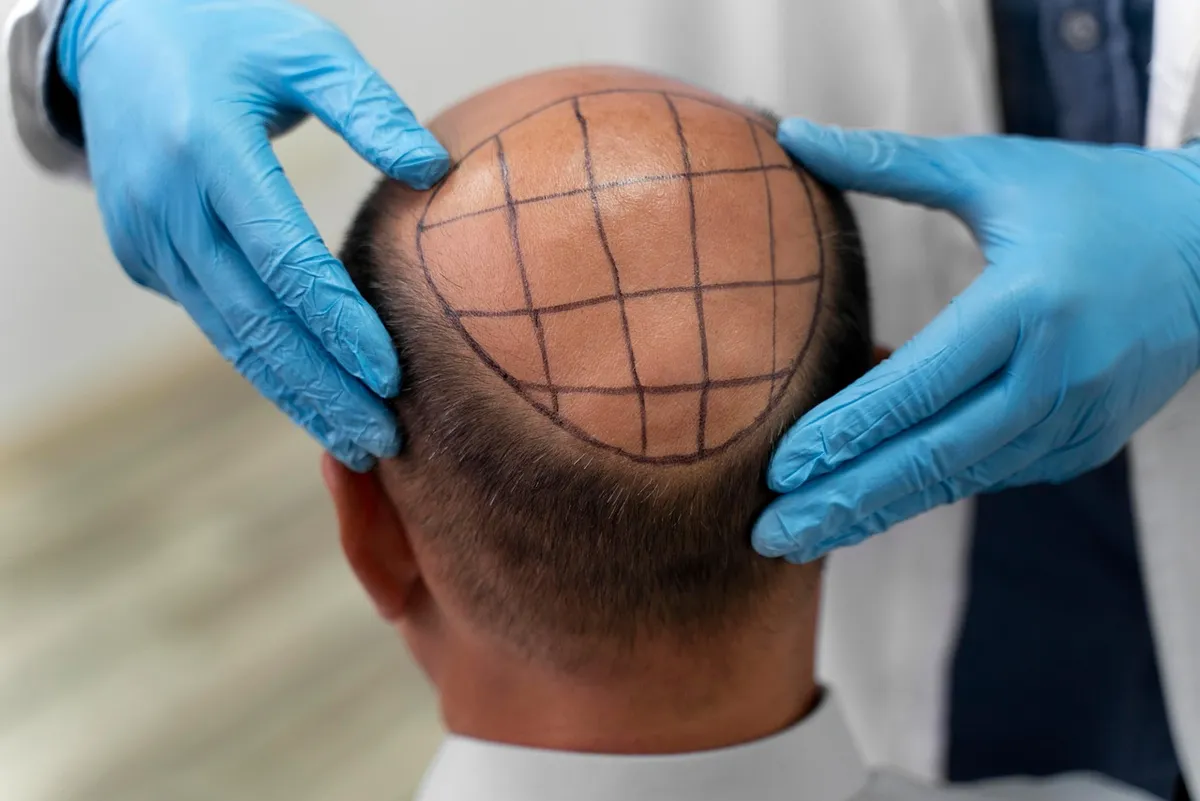
- Avoid any direct pressure or friction on the recipient sites to prevent graft loss. 2. Follow all specific cleaning instructions provided by the medical team to maintain hygiene. 3. Monitor the healing sites for any signs of redness or irritation.
I remember checking the small incision sites carefully to ensure everything looked as the doctor described. These steps help ensure the best 2 week after transplant results.
What are the differences between surgical techniques?
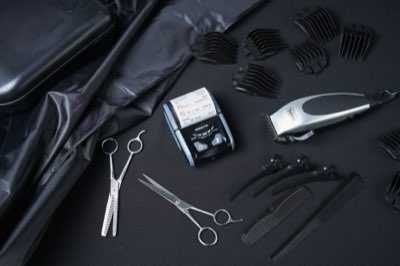
A surgeon examines the scalp, noting the precision of the harvesting tools used. Comparing different methods helps clarify why certain recovery timelines exist. According to the Royal Society of Chemistry PUIU, one can learn how to measure the diameter of your own hair using a laser pointer.
According to Saint Barnabas Medical Center, the first all-robotic kidney transplant was performed in January 2009 through a two-inch incision.
According to the FDA, NeoGraft became the first robotic surgical device FDA approved for hair restoration in 2009.
| Technique | Characteristic |
|---|---|
| FUE Harvesting | Uses 0.6mm to 1.0mm diameter punches |
| Micro Grafting FUE | Requires less than 7 days for recovery |
The method of harvesting significantly affects the physical impact on the scalp. While traditional methods might require suture removal, newer techniques aim to minimize downtime.
How do you ensure a successful hair graft survival guide?
A person gently touches their hair, mindful of the delicate grafts. Maintaining a stable environment for the follicles is essential for long-term success.
Successful graft survival depends on minimizing trauma to the recipient area. During the first two weeks, the focus remains on preventing any mechanical disturbance to the follicles. This initial phase is the most important part of any initial transplant aftercare routine.
What are the limitations of recovery?
A patient realizes that while the healing is progressing, the results are not yet visible. Understanding the limits of the immediate post-operative period is vital.
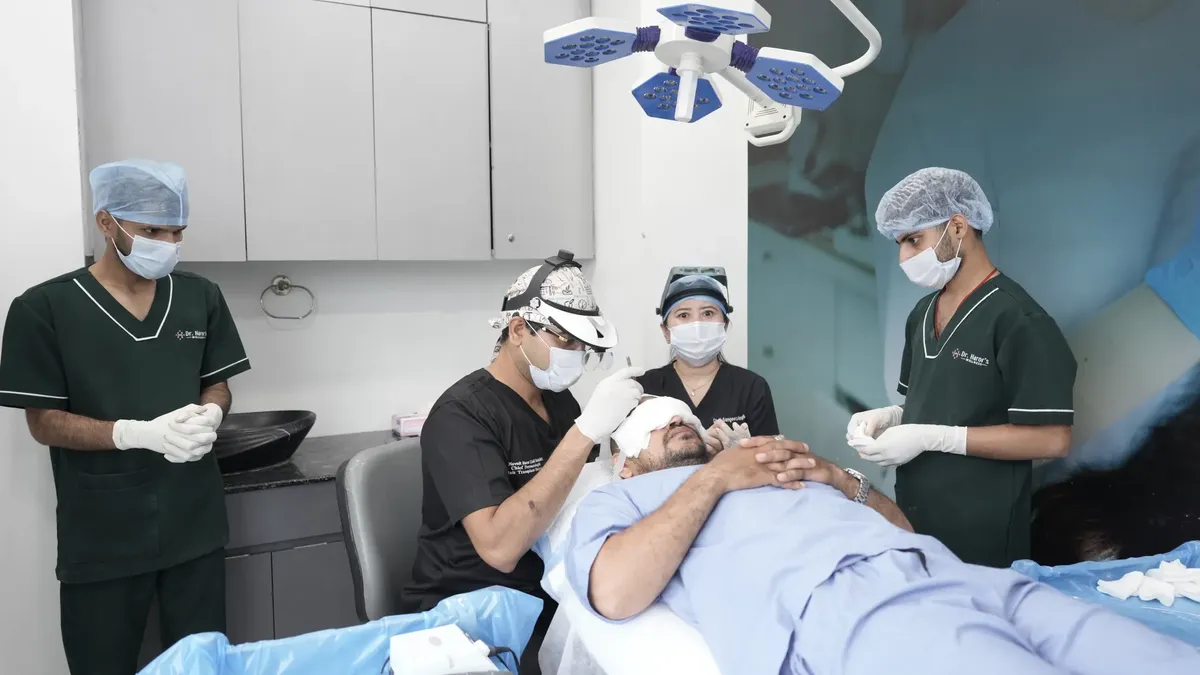
The recovery period is limited by the biological timeline of graft integration. While the wounds may heal quickly, the biological establishment of the hair takes longer.
It is important to note that the recovery period is around 2 weeks and may require stitches or staples to be removed by medical personnel.
The subject here is Hair transplant early care.
The same subject is also called Post transplant care tips.
This part also covers How to boost graft survival rate.
This part also covers What to avoid after hair transplant.
Related
- Scalp health and hair growth: How to maintain balance
- Scalp washing tips: Massage scalp daily for hair health
When should I expect to see results after the first two weeks?
While the initial healing occurs within the first two weeks, visible results take considerably longer to materialize. The biological establishment of the hair follicles continues beyond this critical initial phase.
Patience is necessary because the integration process is a biological event that unfolds over time.
The first two weeks focus solely on graft survival, not visible hair growth. The physical recovery timeline is distinct from the time it takes for the new hair to mature. Therefore, managing expectations about immediate appearance is crucial for the patient.
What precautions must be taken regarding scalp hygiene during the first two weeks?
Maintaining cleanliness is a necessary component of the initial recovery period. Following the specific cleaning instructions provided by the medical team prevents infection at the recipient sites. Proper hygiene supports the delicate grafts during their most vulnerable time.
Avoiding any direct pressure or friction is a direct action taken to support the grafts. This caution helps prevent unwanted displacement of the follicular units. These actions contribute directly to the overall success during the first two weeks.
What is the role of surgical precision in early recovery? Precision in the harvesting process directly influences the vulnerability of the grafts during the first two weeks. The use of tiny punches, measuring between 0.6mm and 1.0mm in diameter for FUE harvesting, creates sites susceptible to external forces. This meticulous technique aims to minimize damage, which is paramount for graft survival.
How does technique influence post-transplant care intensity? The specific surgical method employed dictates the required level of post-transplant care. For example, techniques necessitating suture removal demand a different management approach compared to Micro Grafting FUE. This variance in procedure affects the patient's required adherence to recovery protocols during the first two weeks.
Patients must adhere strictly to the guidance provided by their medical team. This adherence supports the biological integration necessary for the grafts to thrive.
Maintaining a stable environment is crucial for the follicular units. Any disruption during the first two weeks can compromise the intended outcome of the procedure.


Comments 0