Scalp health and hair growth: How to maintain balance
Scalp health and hair growth are fundamentally linked because the scalp serves as the essential foundation for hair follicles to function. A healthy scalp provides the necessary environment for hair to grow strong and remain anchored.
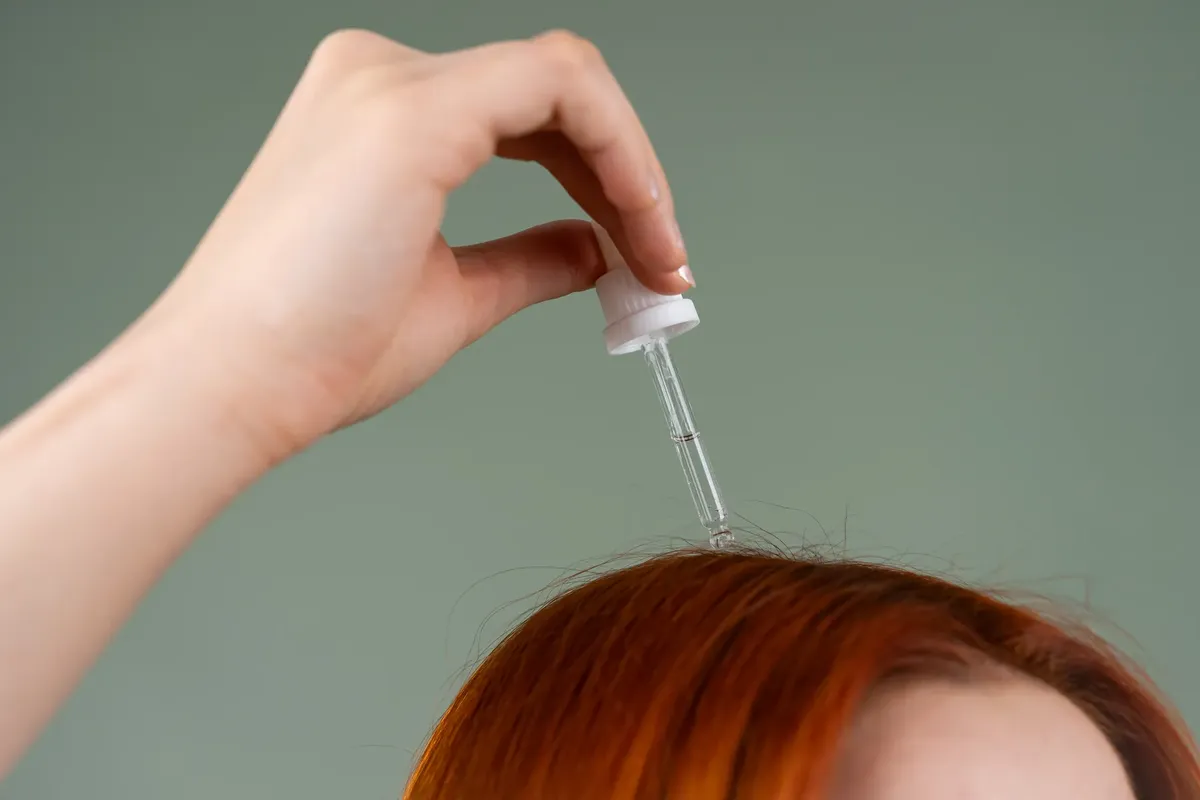
This guide explains how scalp health affects hair growth and provides practical tips for maintaining a clean, balanced environment. You will learn about the relationship between skin health and hair vitality, common mistakes to avoid, and how to implement a consistent care routine.
How does scalp health affect hair growth?
As the morning sun streams through the bedroom window, I run my fingers through my hair and feel the slight tugging against my sensitive scalp.
A person reaches for a comb and notices hair shedding more easily than usual, prompting a look in the mirror at the scalp. This direct connection means that the physiological state of the skin determines the quality of the hair produced by the follicles.
Healthy scalp for hair requires a balanced pH and an environment free from excessive inflammation or buildup. If the scalp becomes congested with oils or dead skin, it can disrupt the hair cycle, potentially leading to thinning or weakened strands.
Maintaining this foundation is the first step in any hair growth strategy.
The relationship between the skin and the hair follicle is constant. If the scalp becomes too dry or too oily, the hair may not receive the stable environment required for steady growth. Ensuring a clean scalp hair care routine helps prevent these imbalances.
A healthy scalp provides the necessary environment for hair follicles to function optimally.
What are the essential steps for scalp care? Scalp health and hair growth
A person stands in front of the bathroom mirror, gently massaging a soothing cleanser into the skin to prepare for a deep clean. Establishing a routine is vital for long-term results.
- Cleanse the scalp thoroughly using a gentle, pH-balanced cleanser to remove excess sebum and environmental buildup without stripping natural oils. 2. Apply targeted treatments or serums directly to the scalp area to nourish the skin and support the follicles. 3. Perform a final check by ensuring the scalp feels refreshed and clean, but not tight or overly dry, after every wash.

I once tried to skip scalp cleansing to avoid dryness, but I quickly learned that buildup was actually causing more irritation. Following these steps helped me maintain a more balanced environment.
- Cleanse the scalp to remove buildup.
- Exfoliate regularly to clear dead skin cells.
- Apply targeted treatments to nourish the follicles.
Common mistakes in scalp care
A person applies heavy oils to the scalp, only to find the hair looking greasy and the skin feeling itchy an hour later. Mistakes in application can often lead to more problems than they solve.
One common error is over-cleansing, which can strip the scalp of necessary lipids and cause compensatory oil production. Another mistake is neglecting the skin while focusing only on the hair strands, which ignores the root of the problem.
Preventing hair loss with scalp issues often requires avoiding heavy, wax-based products that clog pores. Using too much heat during drying can also damage the delicate skin of the scalp.
I believe the second step in the routine is the most critical for preventing buildup.
How to adjust care for different hair types
A person examines different hair textures, noting how oily hair requires more frequent cleansing while dry hair needs more moisture. Adapting your approach is key to success.
| Hair Type | Primary Focus | Routine Adjustment |
|---|---|---|
| Oily Scalp | Sebum Control | Frequent, gentle cleansing |
| Dry Scalp | Moisture Retention | Infrequent washing with hydrating treatments |
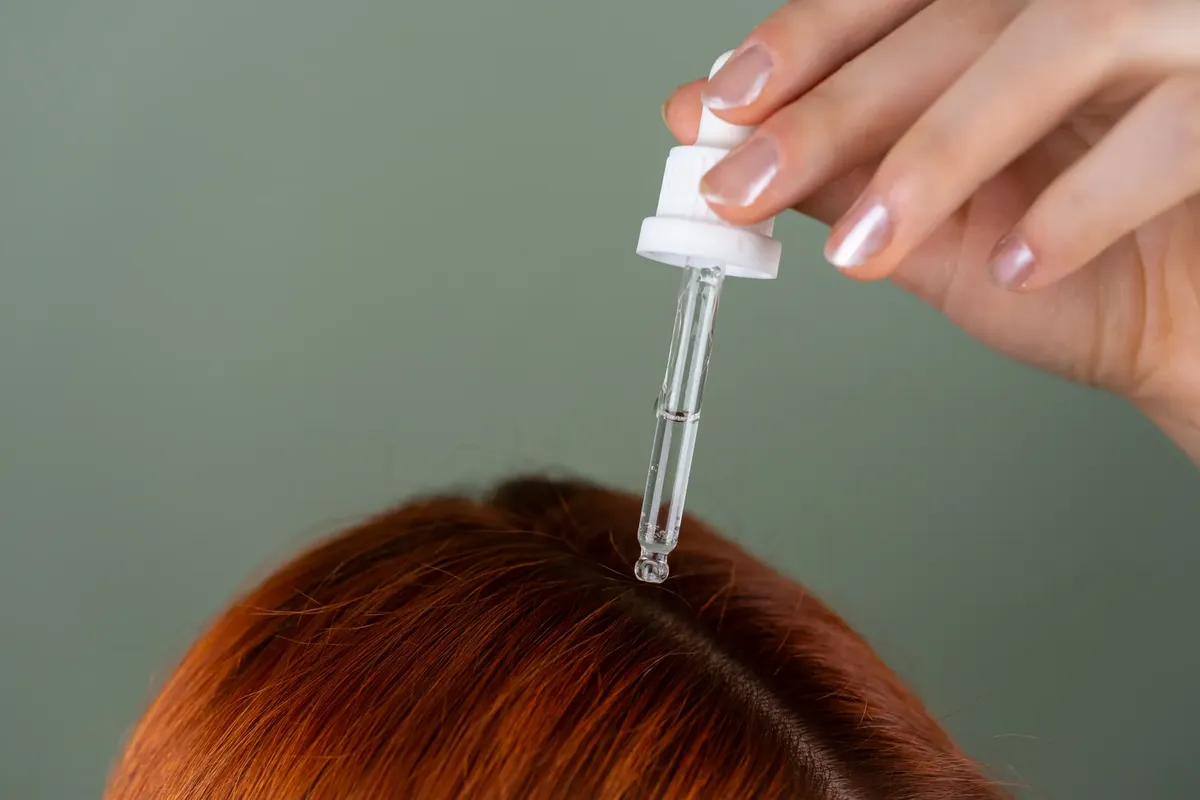
If you have an oily scalp, you might find that focusing on scalp-specific cleansers helps prevent the heavy feeling of buildup. For those with dry hair, increasing the frequency of moisturizing scalp treatments can help maintain elasticity.
Adjust the frequency of cleansing based on your natural oil production.
The subject here is Scalp health and hair growth.
The same subject is also called Scalp care for hair.
The same subject is also called Hair growth scalp health.
This part also covers Best scalp cleaning routine.
How scalp health affects hair
Related
- Scalp washing tips: Massage scalp daily for hair health
- Scalp wash by hair length: Tips for 11.4 mm growth
What conditions affect the scalp and hair?
A person might notice changes in hair texture or shedding when the scalp environment shifts. These conditions directly influence how well the follicles function and how hair remains anchored. According to ECOS, the real economic growth rate was 1% as of 2026Q3.
If the scalp is too oily, it can lead to congestion. If the scalp is too dry, it can cause irritation. Both conditions represent an imbalance that can disrupt the hair cycle. Maintaining a clean, balanced environment is necessary to prevent these issues from affecting hair growth.
Inflammation or dryness can hinder the hair growth cycle.
How to maintain a consistent routine?
Consistency is key to seeing long-term improvements in scalp health.
Should you prioritize cleansing or moisturizing?
Prioritizing the right balance between cleansing and moisturizing depends on the current state of the scalp. If the scalp is oily, frequent cleansing is necessary to prevent buildup, whereas dry scalp requires more frequent moisturizing treatments.
If the scalp is congested with oils, focus on gentle cleansing to remove buildup. If the scalp is too dry, focus on moisture retention to prevent irritation. Comparing these two conditions helps in adjusting the routine to maintain a healthy environment.
How to avoid common scalp care errors?
Avoid over-cleansing to prevent stripping natural lipids and causing compensatory oil production. You should also avoid applying heavy, wax-based products that clog pores or using excessive heat during drying.
- Compare the scalp feeling after washing to ensure it is not tight or overly dry. 2. Avoid neglecting the skin by focusing only on the hair strands. 3. Monitor for signs of congestion or irritation when using new treatments.





Comments 0