Natural hair discrimination law: Guide to worker rights
"The fight for natural hair rights is not merely about fashion, but about the fundamental right to exist authentically in professional and social spaces."
This movement seeks to prevent workplace discrimination based on hair texture and protective styles. It aims to protect individuals from being penalized for wearing hair that is culturally significant or naturally occurring.

* Legal protections against hair-based bias in the workplace. * The history of discrimination through specific hair-related incidents. * The role of educational events in fostering understanding. * The lasting impact of human rights complaints on policy.
How does natural hair discrimination law protect workers?
She stood in the quiet office during her morning shift, feeling a sudden chill as the manager stared at her natural curls.
A woman walks into a brightly lit office, only to be met with a stern look regarding her hair. This scene mirrors the struggle for natural hair discrimination law, where individuals often face scrutiny for styles that deviate from Eurocentric standards.
The legal fight for hair freedom involves challenging policies that target specific textures. Such laws aim to ensure that professional grooming standards do not become a mask for racial or cultural bias.
In one instance, a worker faced repercussions for her appearance, highlighting the need for systemic change. This legal battle ensures that personal identity is not sacrificed for corporate compliance.
However, legal protections may be limited if the hair style is deemed a safety hazard in specific industrial environments.
Why was the fight against hair bias started?
The employee sat at her retail desk during the morning shift, feeling a heavy weight in her chest as she looked at her natural braids. An employee sits at a desk in a retail setting, feeling the weight of a reprimand for a simple braided hairstyle. This tension illustrates the push to ban hair style bias, where personal choices lead to professional conflict.
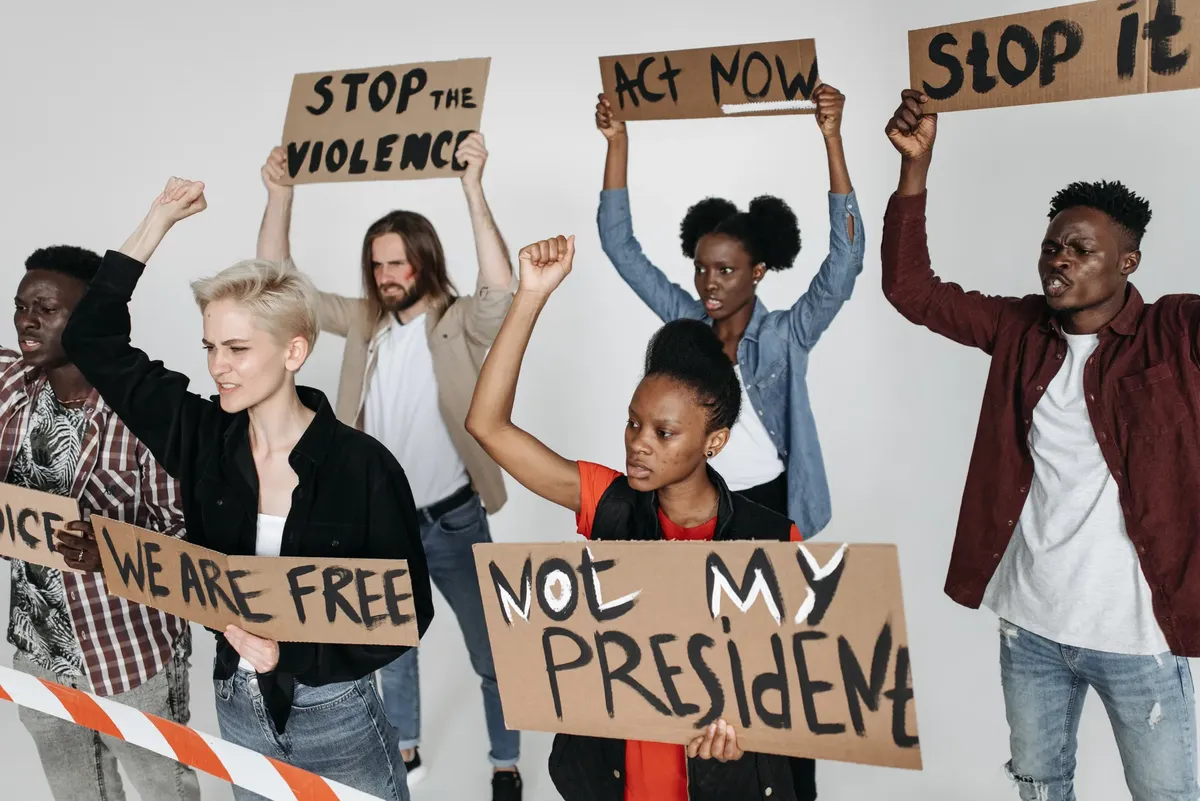
In April 2016, a female Zara employee in the Canadian city of Toronto was reprimanded for wearing her hair in a braided hairstyle, which resulted in her filing a complaint with the Ontario Human Rights Commission.
This specific event served as a catalyst for much larger discussions regarding identity and employment.
Protecting natural hair rights means addressing these specific moments of friction. It requires changing how institutions view diversity and personal expression.
This history shows that the second point is the most significant.
How can we promote natural hair acceptance?
A group of people gathers in a community hall to share knowledge and listen to experienced speakers. This gathering represents the effort to foster natural hair acceptance through education and community support.
The Natural Hair Academy hosted an event to better understand nappy hair, providing days of advice by speakers. Such educational platforms help bridge the gap between traditional grooming expectations and modern reality.
Shifting social views on hair often begins with these types of community-led discussions. They provide the tools necessary to challenge outdated norms.
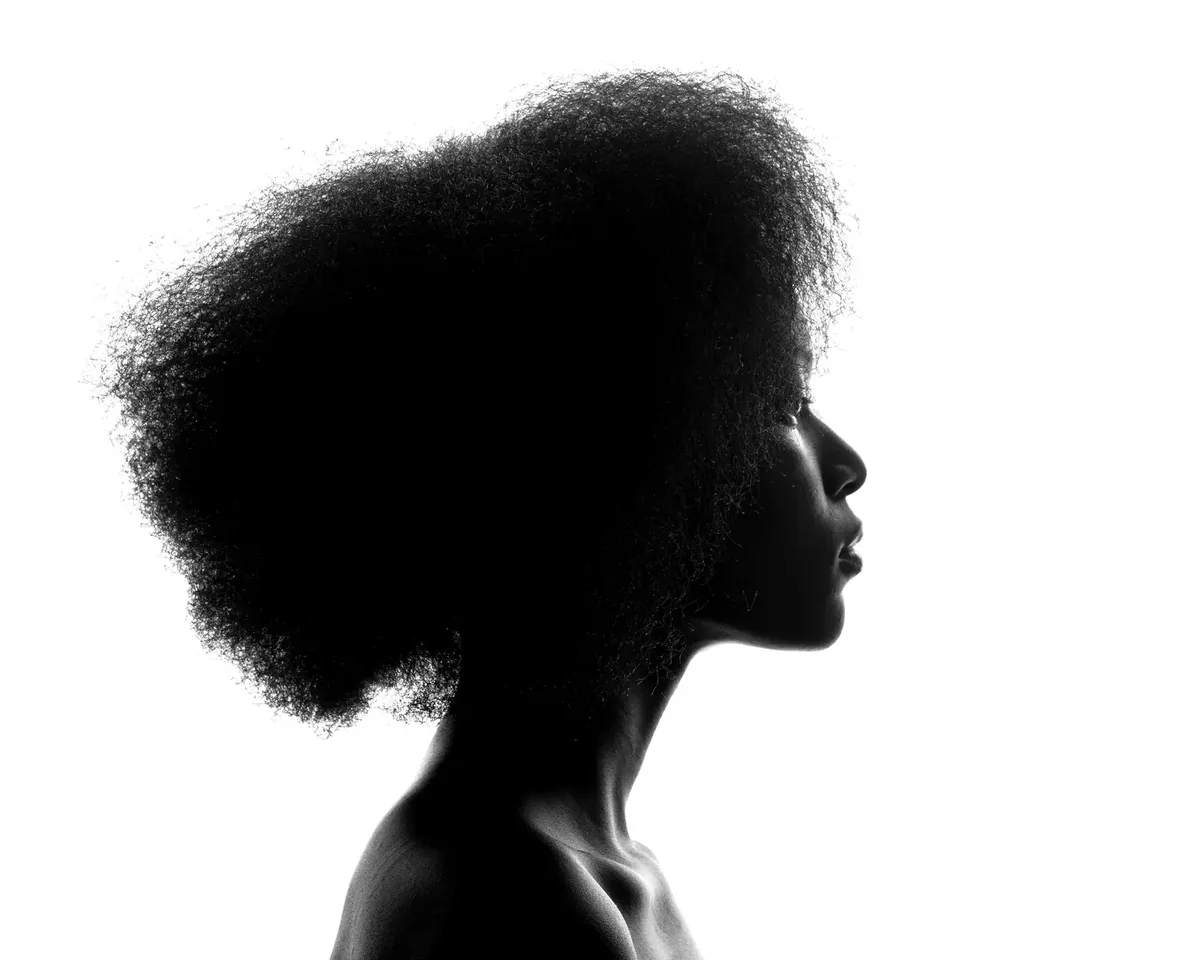
- Educate community members on diverse hair textures.
- Implement inclusive grooming policies in workplaces.
- Support businesses that celebrate natural hair.
How will the CROWN Act change my hair freedom? A lawmaker signs a document that changes the rules for thousands of students and workers. This act represents the legislative side of the legal fight for hair freedom, aiming to codify equality.
The CROWN Act impact on hair freedom is seen when legislation prevents hair-based discrimination in schools and workplaces. By defining hair texture and protective styles as protected characteristics, the law provides a shield for those previously vulnerable to arbitrary rules.
Addressing the legal fight for hair freedom requires both grassroots activism and legislative action. These two forces work together to redefine professionalism.
However, the effectiveness of the act depends on its implementation across different state jurisdictions.
Can we achieve lasting change through shifting social views on hair?
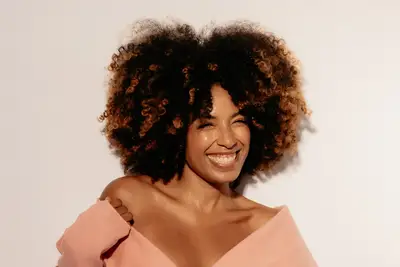
A teenager looks in the mirror, feeling confident in her natural curls despite societal pressure. This internal victory is the ultimate goal of shifting social views on hair.
The movement seeks to move beyond mere tolerance toward true inclusion. By normalizing diverse hair textures, the goal is to eliminate the need for constant legal intervention.
The CROWN Act impact on hair freedom remains a cornerstone of this transition. It provides the baseline of protection while society works to catch up with the reality of human diversity.
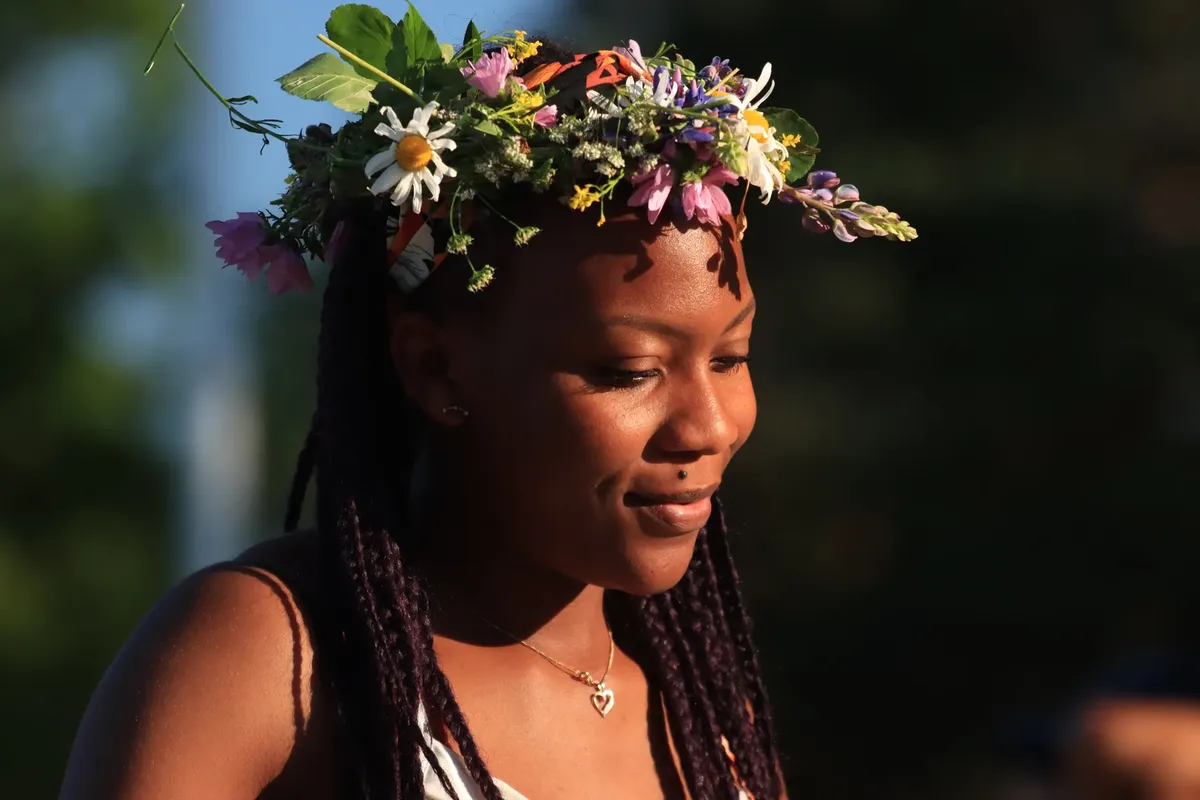
I believe the first step in this process is the most crucial.
Wikipedia: Natural gas Based on the retained excerpt mentioning IEA: The IEA estimates the energy sector (oil, natural gas, coal and bioenergy) to be responsible for about 40% of human methane emissions.
Wikipedia: Natural gas Based on the retained excerpt mentioning IPCC: According to the IPCC Sixth Assessment Report, natural gas consumption grew 15% between 2015 and 2019, compared to a 5% increase in oil and oil product consumption.
The same subject is also called Protect natural hair rights.
The same subject is also called Anti hair discrimination laws.
Related
- How does hair color shape a rival hair style?: 34.8 percent
- Hair color attraction science: How to guide your look
What challenges remain in the fight for natural hair rights?
The fight for natural hair rights faces hurdles when workplace policies consider hair a safety concern in certain industrial settings. This condition shows that legal safeguards might not fully cover every scenario. Furthermore, the success of legislative efforts depends on how thoroughly they are put into practice across various state jurisdictions.
Achieving true inclusion necessitates a societal shift that moves past mere tolerance. This transition aims to eliminate the necessity for continuous legal intervention regarding hair expression. The ongoing nature of this fight underscores the need for sustained community engagement.
The movement must continue to address specific instances of friction to protect natural hair rights. These moments highlight where current institutional views on diversity still require adjustment. The history of discrimination provides evidence for this ongoing need for change.





Comments 0