Home Scalp Cleansing Routine: How To Keep Moisture
"Many curl and coil types don’t do well with drying detergents—they only need water, moisture, and a thorough scalp massage."
A healthy home scalp cleansing routine focuses on maintaining moisture and preventing excessive dryness through gentle techniques. This guide helps you navigate hair textures, provides a structured washing sequence, and addresses how to handle different hair types.
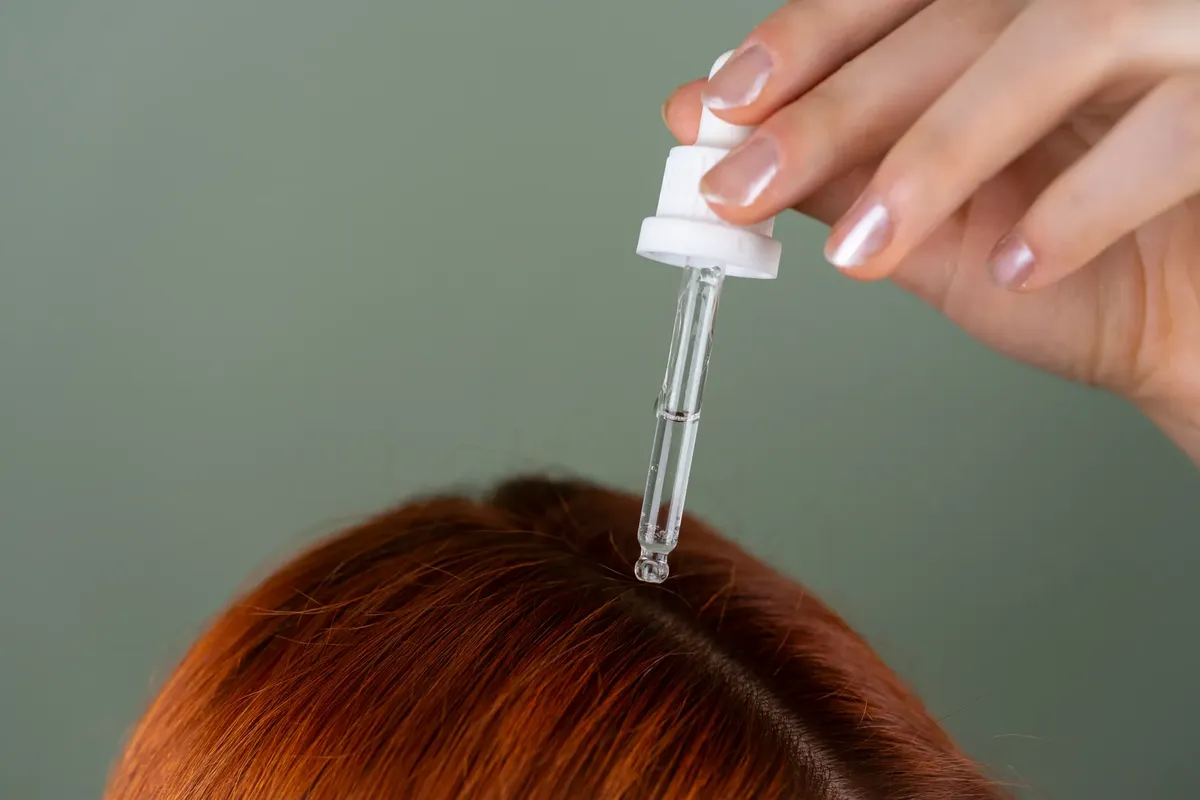
Key takeaways: 1. Use gentle massage techniques to clean the scalp without harsh detergents. * Adjust cleansing frequency based on hair texture and oil production. * Use microfiber towels or cotton T-shirts for gentle drying.
How can I start a home scalp cleansing routine?
Standing in front of the bathroom mirror, you pick up a bottle of cleanser and prepare for a refreshing wash. A successful home scalp cleansing routine begins with understanding that many hair types require moisture rather than harsh stripping agents.
According to the Curly Girl Method, many curl and coil types do not perform well with drying detergents. These hair types often only require water, moisture, and a thorough scalp massage to achieve cleanliness.
You should focus on massaging your co-wash into your roots for at least 60 seconds to ensure the scalp is properly addressed.
Using this method helps prevent the buildup of heavy products while keeping the hair hydrated. This approach serves as a foundation for anyone looking to maintain natural hair health at home.
How often should I wash my hair?
In the quiet morning light, you run your fingers through your curls to decide if today calls for a fresh wash at home.
You look at your hair texture and consider how often you need to refresh your look. Choosing the right frequency depends entirely on your specific hair type and how it reacts to natural oils.
A good rule of thumb involves adjusting your schedule to your hair's unique needs. If you have coilier hair, try co-washing once a week. For those with thicker, coarser curls or waves, try cleansing 1-3 times a week.
If you have fine, oil-prone waves or curls, you can cleanse every other day if needed.
| Hair Type | Recommended Frequency |
|---|---|
| Coillier hair | Once a week |
| Thicker, coarser curls/waves | 1-3 times a week |
I find that checking my hair's texture against these guidelines prevents over-cleansing. Tailoring the schedule ensures that the scalp remains healthy without being stripped of natural oils.
What are the steps for effective cleansing?
You reach for the water and begin the process of rinsing and massaging. To ensure a thorough clean without damage, follow these three numbered steps for a healthy scalp routine.
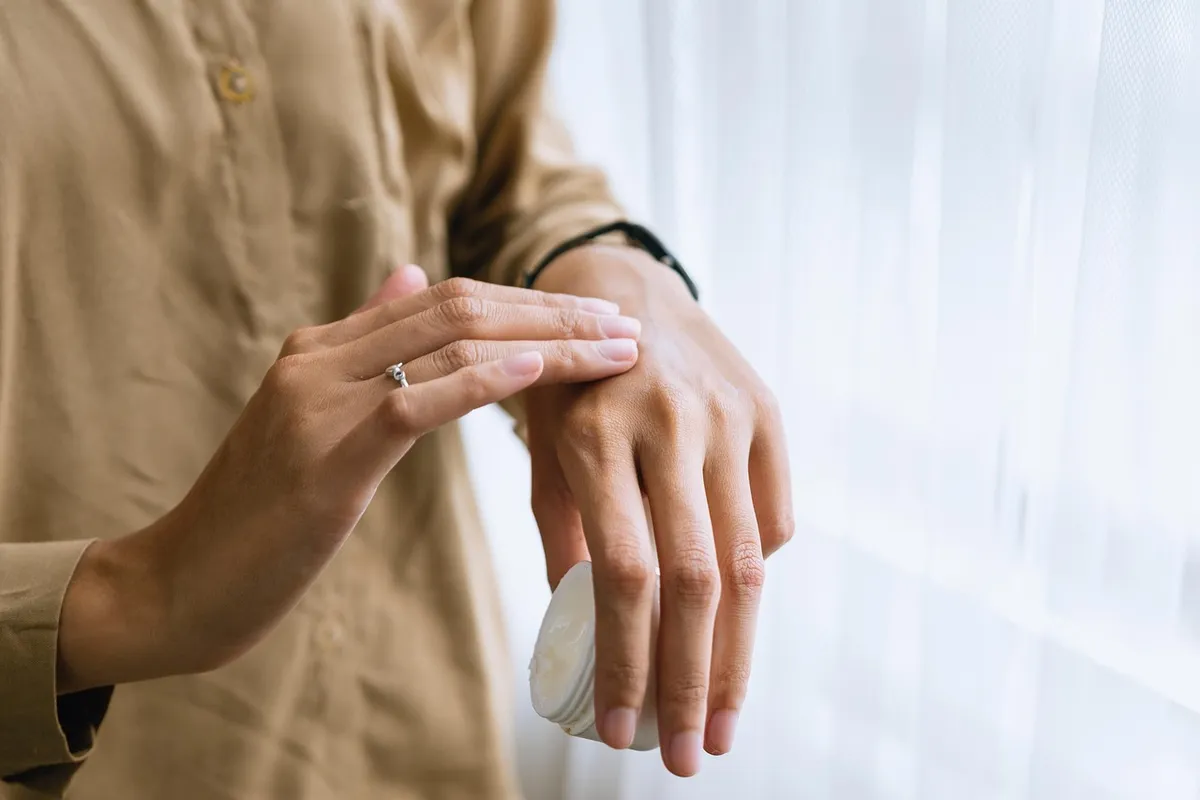
- Apply your chosen cleanser or co-wash directly to the scalp area. 2. Perform a thorough scalp massage by working the product into your roots for at least 60 seconds. 3. Rinse the hair thoroughly with water to remove excess product while maintaining moisture.
This sequence ensures that the scalp is cleaned of impurities through physical movement rather than harsh chemicals. A final check of the roots ensures no product remains trapped.
What is the best way to dry hair?
You grab a soft cotton T-shirt and prepare to manage the wet strands. Drying hair properly is essential to prevent frizz and breakage, especially for textured hair types.
A daily scalp care guide suggests avoiding rough towel rubbing. Instead, you can either plop your hair for 5-15 minutes, or gently cup and scrunch the excess water from your hair with a cotton T-shirt or microfiber towel. This gentle handling preserves the hair's natural pattern.
Using a microfiber towel or a T-shirt prevents the friction that often leads to hair damage. This step is vital for maintaining the integrity of the hair fibers.
How do silicones affect hair?
You examine the ingredients list on a bottle of hair product to see what is inside. Understanding the components used in hair care helps in making informed decisions for your routine.
Silicones are polymers found in 90 percent of hair products that coat your hair to give it a smooth, shiny finish. While they provide immediate aesthetic benefits, they can build up on the hair over time. This buildup might require more frequent deep cleaning to manage.
Knowing about these coatings allows you to balance shine with scalp health. A healthy scalp routine tips list often includes managing such buildup.
What are the limitations of these methods?
You consider the reality of hair care and how different environments might change your results. Every routine has specific constraints based on the individual's hair condition.
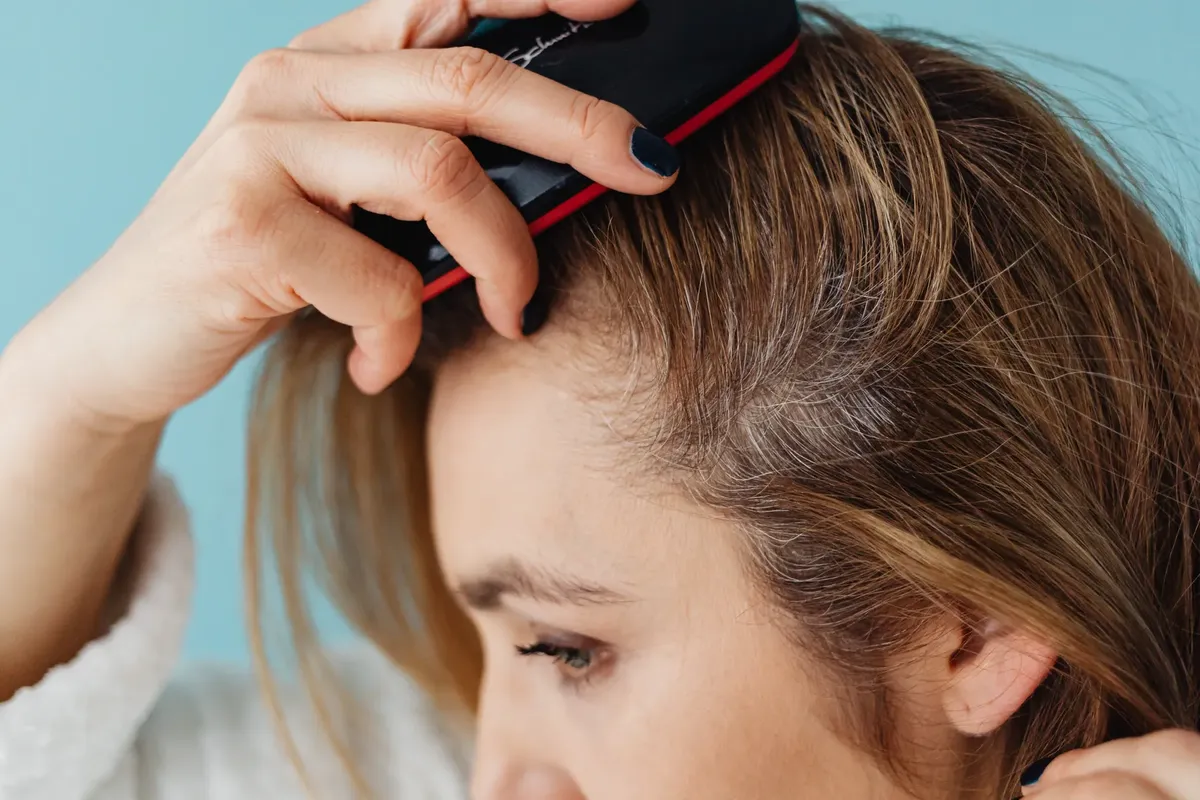
A limitation of these methods is that they may not address hair that is heavily coated in heavy-duty styling products. If the hair is heavily coated, the gentle massage and co-washing might not be sufficient to remove all buildup.
- How can I start a home scalp cleansing routine?
- How often should I wash my hair?
- What are the steps for effective cleansing?
The same subject is also called Best home hair wash.
The same subject is also called Scalp cleansing at home.
This part also covers Natural scalp cleansing methods.
This part also covers Routine for healthy hair growth.
This part also covers DIY scalp care for nourishment.
Natural scalp cleansing methods
Related
- Hair type dryer guide: Tips to protect hair while drying
- Moisture 15 minutes Tips for Perfect home hair drying guide
When should I switch my cleansing approach? If your scalp begins to feel excessively tight or dry despite using gentle methods, you should reassess your cleansing frequency. This condition suggests that the current schedule may be too infrequent for your hair's needs. Conversely, if you notice increased oiliness between washes, it indicates that the current schedule might allow too much buildup.
This adjustment is necessary because the hair's reaction to the routine changes as its natural oil production fluctuates. Observing these signs allows you to fine-tune the process for optimal scalp health. Many curl types respond differently to these shifts.
What happens if I skip the scalp massage? Skipping the scalp massage means that the cleanser or co-wash may not thoroughly penetrate the roots. The purpose of this massage is to physically work the product into the scalp area to remove impurities. Without this action, the cleaning process relies only on surface contact, which is insufficient for a deep clean.
This omission prevents the scalp from being properly addressed, even if the product is applied. A thorough scalp massage ensures that the cleansing action reaches all areas of the scalp. Many curl types benefit significantly from this focused attention during washing.



Comments 0