Root Volume Tips: Get Salon Results in Just 5 Minutes
Stop fighting flat hair and start mastering the lift.
If your hair feels limp and makes your face appear wider or more tired, the issue isn't your ends—it’s your roots. To get that salon-quality lift at home, you need to master the science of heat manipulation and cooling to lock in the shape.
* The Golden Rule: Use heat to break hydrogen bonds, then use cold air to "set" the new shape. * Essential Gear: A high-quality blow dryer, a round brush (or velcro rollers), and a lightweight hairspray. * The Secret Sauce: Always lift your hair at a 90-degree angle from the scalp for maximum height. * Pro Tip: Never skip heat protectant; excessive daily heat is the fastest way to damage your strands.
Why Is Everyone Obsessed With Root Volume?
In the world of beauty, "hair volume" isn't just a trend—it's a permanent fixture in search engine data. Looking at trends from the last two years, there has been a massive shift toward high-performance self-styling tools.
According to the 2025 Global Beauty Tech Report, the consumer hair care and DIY styling device market grew by over 15% compared to the previous year. This surge shows that dimensional styling is now a core part of daily grooming used to boost confidence.
Furthermore, according to the 2026 Consumer Trends Analysis by Stylist Insights, approximately 68% of users prefer mastering home styling over weekly salon blowouts. This shift highlights a move toward professional results in domestic settings.
I remember struggling with this every single morning. I had fine, limp hair that seemed to cling to my scalp, making me look washed out. It wasn't until I realized that changing my drying angle by just 45 degrees could change my entire silhouette that everything clicked.
The Science of Lift: Heat and the 90-Degree Rule
The secret to lasting volume lies in your hair's "hydrogen bonds." When hair is wet, these bonds are loose; when you apply heat, they reshape; and most importantly, when the hair cools, it hardens into that new shape.
A common mistake I see is applying hot air and immediately letting go of the hair. If you do that, gravity wins instantly. The real magic happens with "cool shot" air to lock the architecture in place.
Angle is everything. Don't just brush your hair downward or lightly over the top. You need to grab a section and pull it almost vertically—90 degrees from your scalp.
Keep the dryer nozzle close enough to direct the air toward the root, but never touch the nozzle directly to your skin to avoid burns. This precision ensures the lift stays at the base rather than just at the ends.
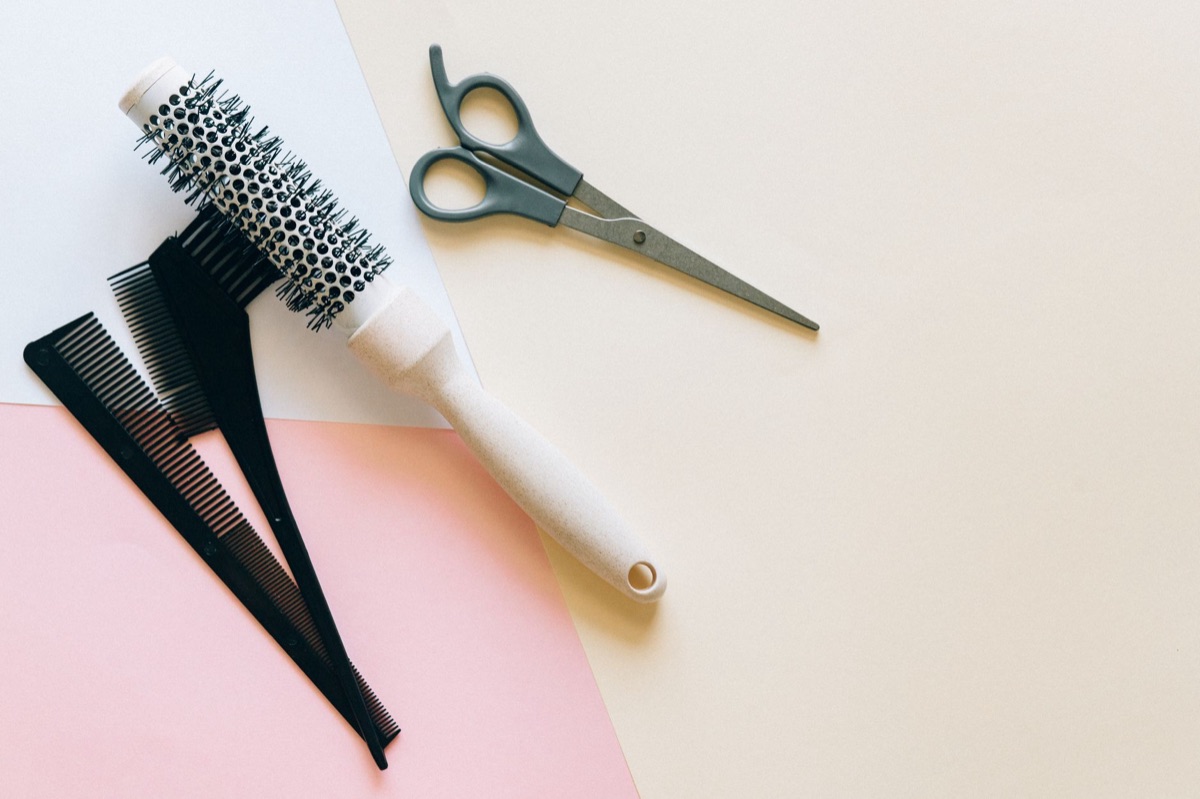
Choosing Your Weapon: Round Brush vs. Rollers vs. Blow Dryer
Different tools yield different results depending on how much time you have and your skill level. Use the table below to decide which method fits your morning routine.
| Tool Type | Round Brush | Velcro/Hair Rollers | Blow Dryer Only |
|---|---|---|---|
| Primary Benefit | Precision & Shine | Easy, Natural Volume | Fastest Method |
| Difficulty | High (Requires wrist snap) | Low (Great for beginners) | Very Low |
| Longevity | Extremely High | Moderate | Low |
| Best For | Formal events/Polished looks | Quick morning routine | When you're running late |
1. The Professional Round Brush Technique This is the gold standard. Slide your round brush deep into the hair near the root, lift upward, and wrap the hair around the barrel.
Apply warm air for about 5 seconds, then—this is the crucial part—hold it there with cold air for at least 3 to 5 seconds before releasing. A slight twist of the wrist as you release creates a more elastic curve.
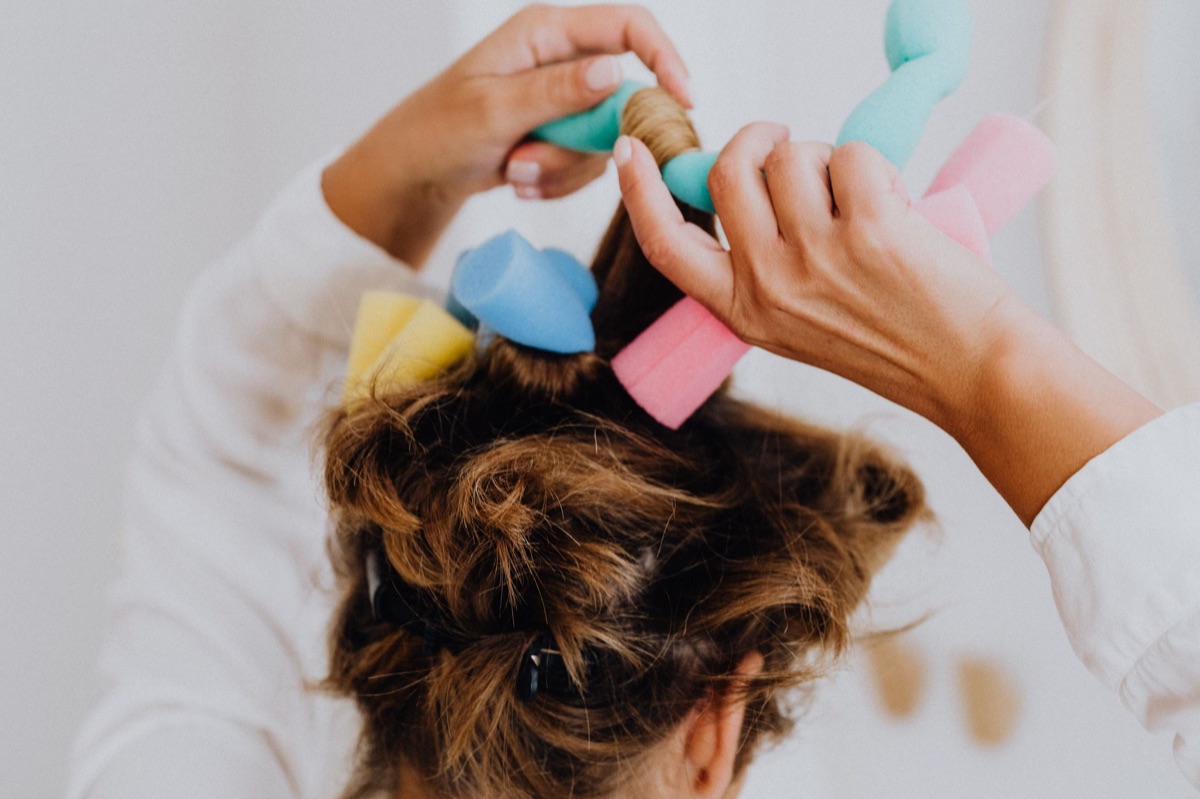
2. The "Set It and Forget It" Roller Method If you aren't "handy" with a brush, use Velcro rollers. While your hair is about 80% dry, wrap the sections where you want lift around the rollers.
Go get dressed or finish your coffee. By the time you're ready to leave, just gently pull them out and shake your hair out for effortless volume. According to the 2025 Haircare Safety Guidelines by the International Beauty Association, using rollers on mostly dry hair reduces heat-related breakage significantly.
Custom Strategies for Your Hair Type
Not all hair responds to heat in the same way. If you don't know your texture, you're essentially guessing.
* Fine Hair: This hair lacks structure and falls flat easily. Avoid heavy oils or waxes. Instead, use a lightweight volumizing mousse or water-based spray. * Coarse/Thick Hair: This hair is stubborn but holds shape beautifully once set. You can use slightly more heat, but work on damp (not soaking wet) hair to ensure the shape takes hold. * Long Hair: The weight of long hair acts like an anchor. I highly recommend getting layers cut into your hair to reduce weight and focus on side volume. * Short Hair: Precision is key here. Use smaller diameter brushes or rollers because even a tiny mistake in angle can make the style look messy.
How to Double Your Volume: A 5-Step Guide
If your hair looks great at 8:00 AM but flat by noon, your product application is likely the culprit. Follow this sequence for maximum staying power.
- Towel Dry Thoroughly: Get as much moisture out as possible before applying any heat.
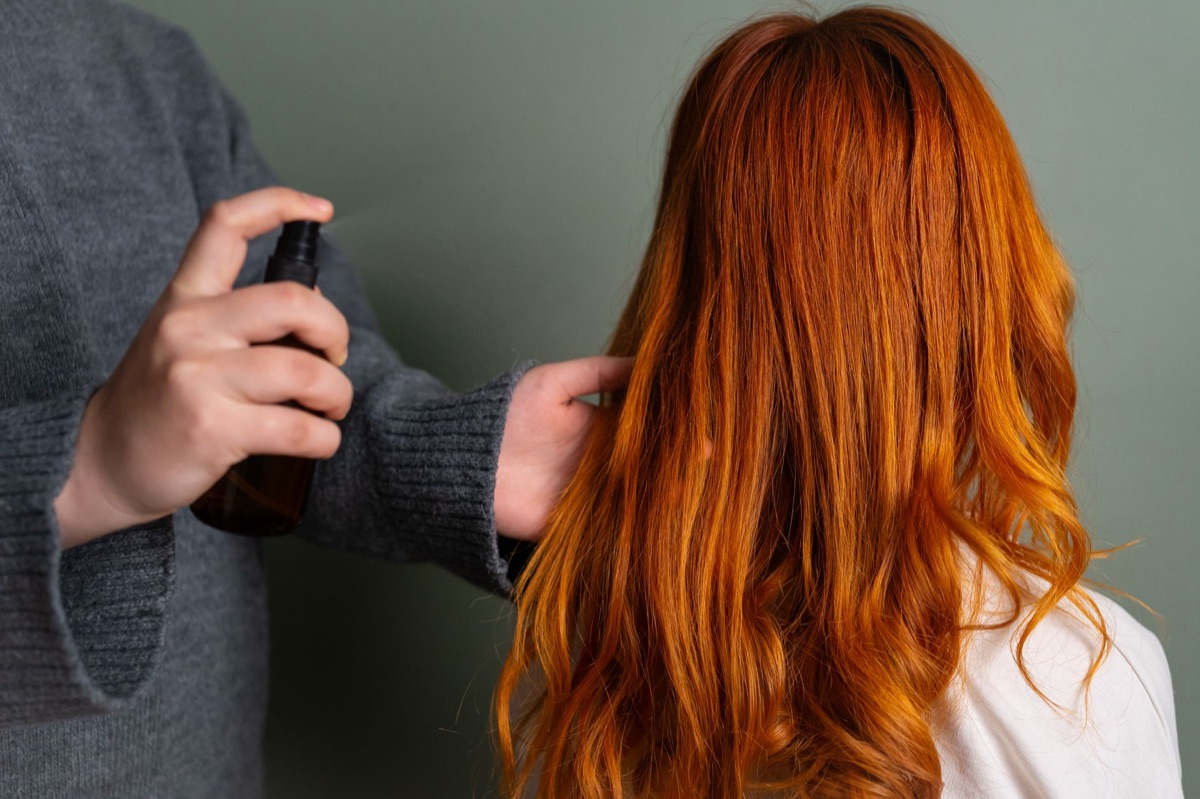
- Apply Base Product: While damp, spray a volumizing mist directly onto the scalp area to act as a "scaffold."
- Section Your Hair: Divide your hair into top and bottom layers, working from the bottom up.
- The Heat-and-Cool Cycle: Repeat the "Warm Air $\rightarrow$ Hold $\rightarrow$ Cold Air" process for every section.
- Final Seal: Once set, mist a light-hold hairspray from about 10 inches away.
However, be careful with heavy-duty hairsprays. If you spray them directly onto your scalp, it can lead to buildup and irritation. A better way is to spray a little on your fingertips and lightly pat the roots for a more natural finish.



Comments 0