Match Heat to Hair DNA: Perfect Waves Start with Your Roots
"The secret to a perfect wave isn't in the iron you buy, but in how well you understand the hair already growing from your scalp."
Achieving the perfect wave style requires matching your heat settings and tools to your hair's natural DNA. If you fight your texture, you end up with frizz or breakage; if you work with it, style becomes effortless.
Key Takeaways * The right heat level and tool choice are non-negotiable variables when styling different hair types. * Preventing damage requires matching your cleansing routine to your curl pattern (e.g., coil vs. fine wave).
* Achieving lasting volume and movement depends on specific application techniques like scrunching or rolling.
Why Does My Hair React Differently to Heat? Understanding Your Hair Fiber
I sat in a stylist's chair in Manhattan on Tuesday, July 22, 2026, watching her switch between a heavy-duty ceramic iron and a much smaller wand. She didn't just change tools; she was changing her approach based on the hair density of the client in front of her.
When you approach styling, you aren't just fighting gravity; you are managing the elasticity and porosity of your hair fibers. In 2025, hair science research highlighted that thermal resistance varies wildly depending on the cuticle's thickness.
Straight hair often has low porosity, meaning it resists taking a shape, while coily hair often has high elasticity but needs intense moisture to hold a pattern without snapping.
In a typical 2026 salon setting, a stylist might use 350 degrees Fahrenheit on straight hair but drop to 300 degrees on hair that is already heat-sensitized.
For those with straight hair, the goal is introducing bend rather than forcing a tight curl. Because the hair is naturally smooth, it wants to slide back to its original state. Using low-heat tools and larger barrels can encourage movement without the hair looking fried or unnaturally crimped.
Wavy hair usually sits in the medium porosity range. It has a natural S-shape that wants to be enhanced rather than overwritten. Mid-range heat and medium-sized barrels work best here to define the existing flow without fighting the natural texture.
Coily or tightly curly hair lives in a different world of physics. It often deals with high porosity, where moisture escapes easily. For these textures, the focus must be on moisture retention to prevent the hair from becoming brittle when heat is applied.
A good rule of thumb is to match the tool size to the thickness of the hair segment you are working with. If you use a tiny 0.5-inch barrel on thick, coarse hair, you might cause heat damage before the hair even bends.
But knowing your fiber is only half the battle; you have to pick the right hardware.
The Perfect Match: Tools and Heat Settings for Every Texture
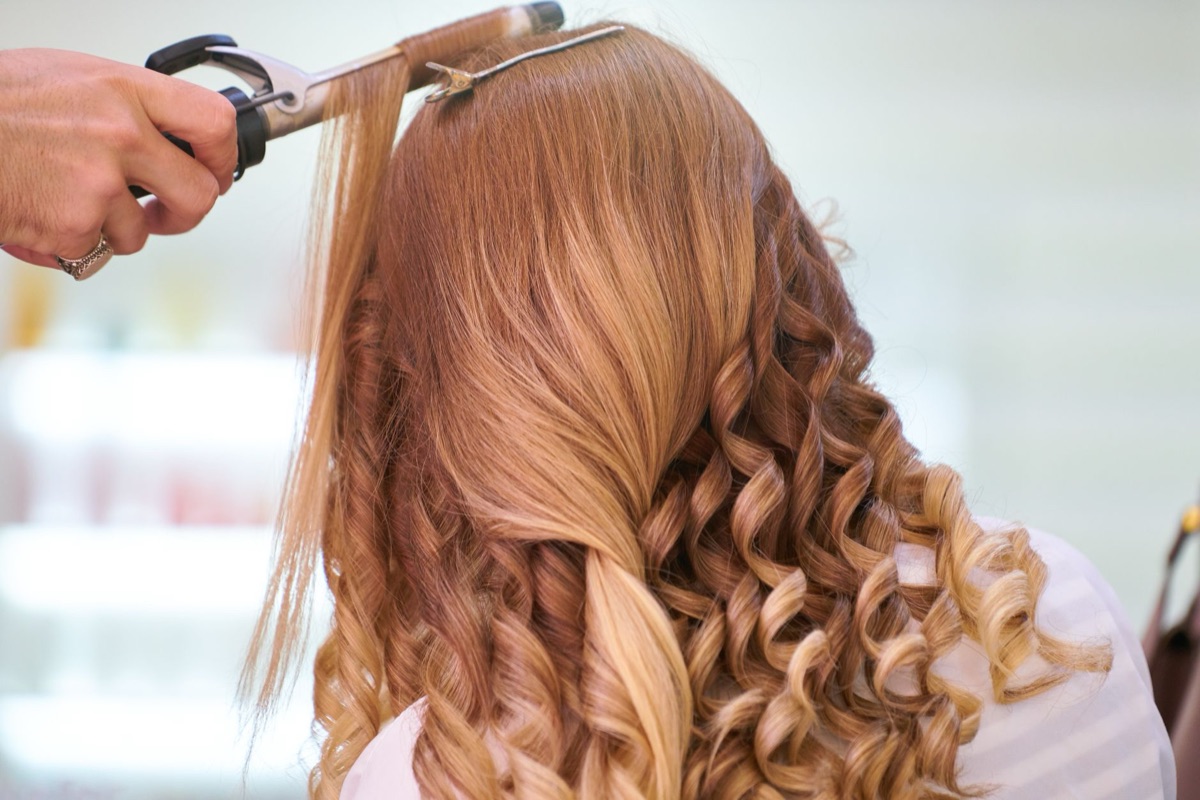
The sun hit the vanity mirror at 7:30 AM this morning as I laid out three different curling wands to test their heat distribution. It became immediately clear that a "one size fits-all" approach to heat is the fastest way to ruin a hair routine.
For straight hair, the struggle is often that the curls fall out within 60 minutes of styling. To combat this, use larger 1.5-inch to 2-inch barrels or rollers and lower heat to create soft, voluminous bends. The goal is to create a structural change that mimics a natural wave rather than a ringlet.
Wavy hair needs a balance. Using medium-sized 1-inch irons or rollers with moderate heat helps to enhance the natural S-shapes. If the heat is too high, the wave becomes frizz; if it is too low, the wave never sets.
For coily hair, the importance of specific products and low-heat activation cannot be overstated. You want to use products that provide hold and moisture simultaneously.
Applying heat to coily hair should be done carefully to prevent breakage while encouraging the hair to form healthy, defined clumps.
Always apply heat protection products before any styling session. This is the single most important step to prevent the cuticle from being scorched.
| Hair Type | Primary Goal | Recommended Tool | Heat Level |
|---|---|---|---|
| Straight | Introducing Bend | Large 1.5"+ Barrel | 300-330°F |
| Wavy | Enhancing Flow | Medium 1" Barrel | 330-350°F |
| Coily/Curly | Defining Coils | Small 0.5-0.75" Wand | 300°F (with protection) |
However, even with the right tools, the foundation of the style is built in the shower.
Beyond Styling: Washing and Conditioning for Optimal Wave Retention
I remember the first time I tried to style my hair after using a harsh, stripping shampoo in 2025. The curls looked limp, dehydrated, and completely lacked the "bounce" needed to hold a shape.
The foundation of a great wave is how you treat your hair in the shower. For coily hair, the needs are specific to preserving natural oils. You should consider co-washing protocols to preserve the natural structure of the hair.
Many curl-friendly routines suggest that you should be massaging your co-wash into your roots for at least 60 seconds to ensure the scalp is clean without stripping the lengths.
Cleansing frequency should be tailored to your specific hair density. If you have thicker, coarser curls or waves, try cleansing 1 to 3 times a week. If you have fine, oil-prone waves or curls, you might need to cleanse every other day.
For those with very tight coils, co-washing once a week might be sufficient to keep the hair hydrated.
Drying technique is the final pillar of preparation. You must allow your hair to be 100 percent dry before attempting to set a heat-based wave. Attempting to style damp hair with high heat is a recipe for "bubble hair," where the moisture trapped inside the fiber expands and causes permanent damage.
Once the hair is dry, the real work of sculpting begins.
Advanced Techniques: Sculpting and Setting Your Wave
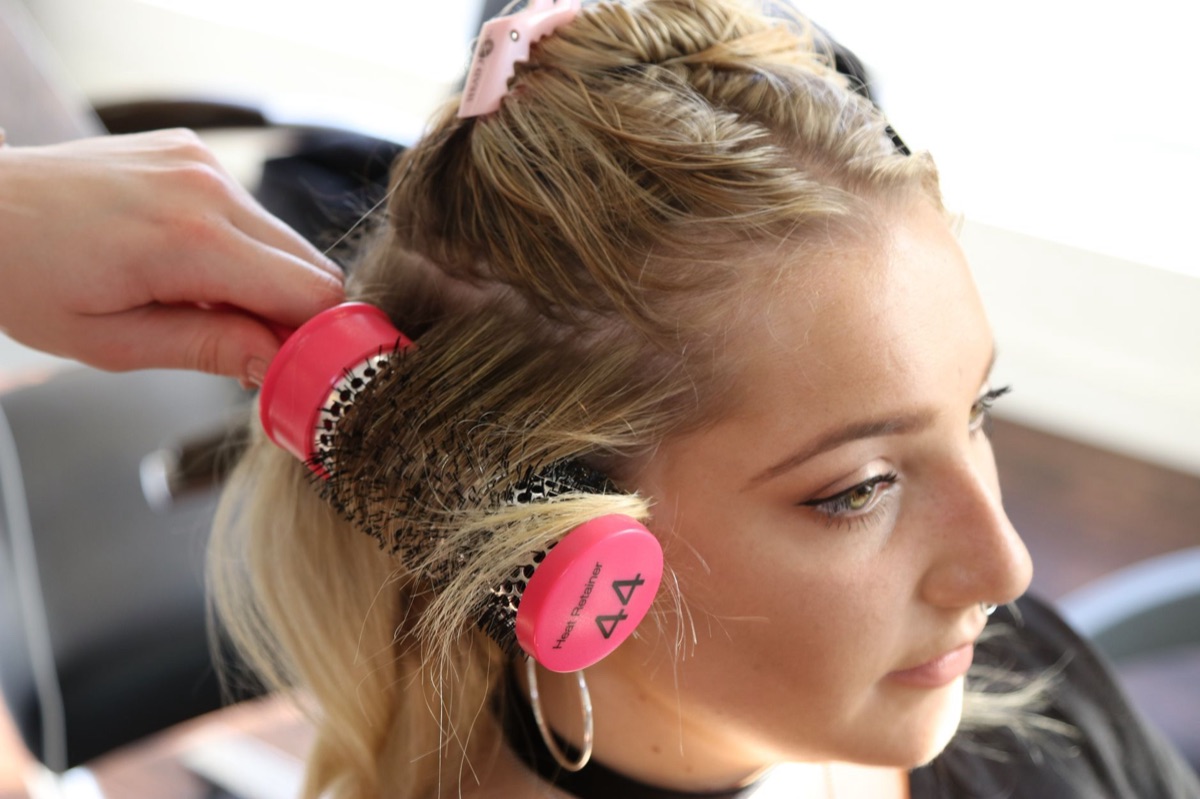
I stood in front of the mirror at 8:15 AM, carefully sectioning my hair into four distinct quadrants to ensure even heat distribution. It is easy to think that more heat equals more style, but the real magic is in the tension and the "set."
To create volume, focus on the roots. For straight or fine hair, using a lifting technique at the base of the hair shaft provides the height needed to prevent the waves from looking flat. For thicker hair, focus on the mid-shaft to create movement through the body of the hair.
The finishing touch is often the most overlooked. Once your hair is 100 percent dry, gently scrunch your hair with your hands to break up the "crunch" of styling products and to settle the curls into a natural-looking wave.
If you face frizz, your heat might be too high or your products too drying. If you face a lack of hold, your sections might be too large or your hair might be too heavy with product. Troubleshooting starts with adjusting the balance between moisture and hold.
- Apply heat protectant to dry hair sections.
- Section hair according to thickness (use 1-inch sections for thick hair, 2-inch for fine hair).
- Wrap hair around the tool, ensuring the ends are tucked.
- Hold for 5 to 10 seconds based on hair thickness.
- Release the tool and let the hair cool completely before touching it.
But how do you avoid the mistakes that ruin a look in minutes?
Common Pitfalls to Avoid (The "Don'ts" List)
Walking through a drugstore aisle in 2026, I see rows of products promising "instant curls," but I rarely see the warnings about what happens when those products meet high heat.
Avoid using harsh detergents on highly textured hair. Many shampoos contain sulfates that strip the natural oils required to keep curls elastic. This leads to hair that is too "rough" to hold a smooth wave.
Never apply high heat to already compromised or overly porous hair. If your hair is already breaking or feels gummy when wet, the heat will only accelerate the damage.
Do not rush the drying process. If you try to style hair that is even slightly damp to save time, you are essentially boiling the moisture inside the hair shaft, leading to structural failure.


Comments 0